CNBC.COM
In Japan, snacks are called "oyatsu": light meals eaten between 2 and 4 p.m. to recharge, and they're especially important for kids. My own childhood favorites still bring back sweet memories.
Children need constant energy for growth and daily activity, though life can get busy and it's easy to reach for quick, unhealthy snacks. But I see snacking as a chance for "shokuiku," or food education, while providing key nutrients.
As a nutritionist and a parent, I focus on real, whole foods that minimize added sugar and ultra-processed ingredients. Basic cooking skills and healthy eating are some of the most valuable life skills you can teach.
To make this practical and sustainable, I divide snacks into three everyday categories. Here are the healthy snacks Japanese parents love feeding their kids.
Grab-and-go: Nutrition-dense and low prep
These are ideal for busy parents and widely available in most grocery stores.
Fruits: Fresh or dried options like bananas, grapes, clementines, goji berries, dates, raisins and mango chips are high in fiber, vitamins, minerals and phytochemicals. They provide both nutrition and energy density. Perfect for growing kids!
Crackers: Look for whole-grain, multigrain or legume-based crackers. I grew up eating Japanese rice crackers flavored with seaweed, sesame, soy or shrimp. They're easy, satisfying and low in added sugar. Paired with nuts or fruit, crackers can become an emergency mini-meal.
Seaweed: You can usually find single-serve nori snacks in any grocery store. I like cutting dried kombu into small, chewable pieces. Chewing supports jaw development, digestion and mindful eating, while providing minerals and fiber.
Nuts and beans: Nuts and roasted beans are true grab-and-go snacks rich in healthy fats, protein and minerals. I recommend walnuts for omega-3s, almonds for magnesium and vitamin E, and roasted soybeans for protein and isoflavones (a type of polyphenol). Edamame is also a nutrition powerhouse.
'Shokuiku' time: Snacks kids can cook and learn from
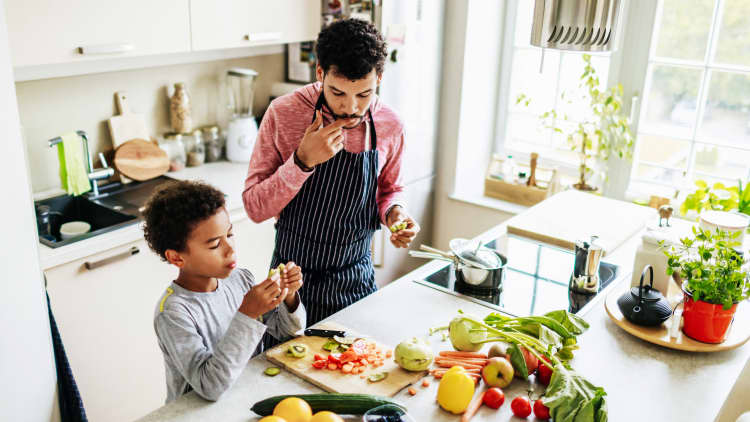
Shokuiku translates to "food and nutrition education." These are my favorite snacks because they teach lifelong nutrition habits and encourage family connection.
Mochi balls ("dango")
Ingredients
- ¾ cup (100 g) sweet rice flour (mochiko or shiratamako)
- 150 g silken tofu
Directions
- In a bowl, mix tofu and rice flour. Knead until the texture resembles a soft earlobe.
- Shape into small balls (about 10 grams each). Press a small indentation in the center if desired.
- Boil water and gently drop in the dango. Once they float, continue boiling for about 5 minutes.
- Transfer to ice water for 5 minutes.
Serve with sweet red bean paste ("anko"), maple syrup, sweet soy sauce, soup or even ice cream.
Tofu dumplings
A lower-sodium, lower-fat alternative to frozen dumplings.
Ingredients
- 14 oz firm tofu, drained
- 3 cups chopped cabbage or coleslaw mix
- ½ cup chopped scallions
- 1 tbsp fresh ginger
- 3 tbsp ground roasted sesame (or 2 tbsp tahini)
- ½ tsp sea salt
- Dumpling wrappers
Directions
Mix all filling ingredients by hand. Place about ½ tablespoon of filling on each wrapper, seal with water, and shape. Pan-fry or steam. Imperfect shapes are welcome!
Small rice balls ("onigiri")
Use brown rice, multigrain rice or legumes wrapped in nori. Add pickles, fish flakes or seaweed in the center for extra flavor and nutrients.
Hummus or guacamole with vegetables
Use store-bought versions or mash avocado with lemon juice and salt. You can also blend tofu, chickpeas and sesame seeds for a protein-rich dip. Kids love operating the blender.
Comfort foods with lasting impact
In Japan, "ofukuro no aji" means "mom's flavor" — the taste that stays with us for life. These snacks emphasize whole grains, fiber and healthy fats.
Baked or steamed sweet potatoes: Eat as-is or mash with cacao powder, matcha, dates, goji berries or nuts. Sweet potatoes are rich in fiber, vitamin C and antioxidants.
Chia and flax pudding: In a jar, combine chia seeds, ground flax seeds, frozen fruit and milk (unsweetened soy milk works well). Shake and refrigerate overnight. Top with fruit, nuts or dark chocolate chips.
Omega-3 fish pockets: Use canned sardines, mackerel or wild salmon. Drain, add lemon juice or apple cider vinegar, and season with spices. Serve in whole-grain pita with cucumber and tomato.
Chia pancakes: Combine whole wheat or buckwheat flour with chia and flax seeds. Add berries, dark chocolate chips, or a drizzle of maple syrup. Kids can help flip the pancakes, making them both a snack and an interactive cooking experience.
Keep in mind that every child has different needs, so always consult with a doctor or nutritionist before making any drastic dietary changes.
Michiko Tomioka, MBA, RDN is a certified nutritionist and longevity expert. Born and raised Nara, Japan, her approach focuses on a plant-based diet. She has worked in nutritional roles at substance recovery centers, charter schools and food banks. Follow her on Instagram @michian_rd.
Want to give your kids the ultimate advantage? Sign up for CNBC's new online course, How to Raise Financially Smart Kids. Learn how to build healthy financial habits today to set your children up for greater success in the future.